
US IT Staffing
Catching Proxy Candidates & AI Teleprompters in 10-Minute Screens
Nothing tanks an agency's MSP supplier scorecard faster than an Account Manager getting a furious call from an enterprise hiring manager ten minutes into a Webex loop because the developer on camera cannot explain code they supposedly wrote six months ago. On US IT staffing desks, the threat has shifted from simple resume padding to live off-screen AI teleprompters, virtual camera overlays (`OBS VirtualCam` feeding deepfaked video), and bait-and-switch C2C proxy rings. If your recruiters still run phone screens by asking generic textbook questions like "What is the difference between a Pod and a Deployment in Kubernetes?", you are practically inviting fraudulent submittals into your Bullhorn or JobDiva pipeline.
Why Textbook Technical Questions Feed Live LLM Teleprompters
When a night-shift sourcer or junior recruiter reads static trivia off a requisition sheet, a candidate running a live transcription overlay only needs 1.8 seconds for an off-screen model to flash a textbook definition on their monitor. You hear a slight two-second breath pause, followed by a suspiciously polished, Wikipedia-grade monologue. Most desks miss the tell because the answer sounds technically accurate.
- The 2.5-Second Latency Tell — Candidates using live audio-to-LLM transcription tools exhibit a consistent 2 to 3 second delay before answering every question, followed by rapid, monotone reading with zero natural filler words or mid-sentence self-corrections.
- High-Level Architecture Without File-Level Scars — A proxy or AI-assisted candidate will describe a Kafka event-driven pipeline in clean theoretical terms, but freezes when asked what exact `max.poll.interval.ms` timeout broke their consumer group during peak load.
- Chronology Drift Across Concurrent Contracts — Fabricated C2C resumes often stitch together three Fortune 500 projects that secretly overlap by four months or claim tools (like `LangGraph` or specific AWS Bedrock APIs) in 2021 before those services existed.
Before you even dial the candidate's number, run their raw document through the Resume Analyzer and Experience Calculator. Extracting the exact project-by-project tech stack alongside overlap-free employment dates immediately exposes timeline collisions and impossible tool tenure before you waste ten minutes on the phone.
Running the 10-Minute Anti-Proxy Phone Screen Protocol
You do not need a 45-minute engineering panel to catch a stand-in or a script reader. You need three chronological, context-bound questions tied directly to the candidate's own work history and the client's real production environment.
- Step 1: Strip the JD Down to Operational Bottlenecks — Drop the raw VMS requisition from Fieldglass, Beeline, or Magnit into the JD Analyzer to separate actual day-one production dependencies from HR boilerplate.
- Step 2: Generate Project-Anchored Drill-Downs — Feed both the resume and req into Screening Questions. Instead of asking "How do you optimize PostgreSQL?", ask: "On your 2024 contract at Fiserv, when your batch job hit locking issues, what specific index type or connection pooler setting did you change, and who approved the production PR?" Teleprompters cannot hallucinate internal team workflows on the fly without contradicting the resume.
- Step 3: Cross-Check Multi-Candidate Shortlists — When your sourcing pod pulls four W2 or C2C profiles for a single req, run them side-by-side in Compare Candidates. If two submittals from different bench vendors share identical bullet phrasing or project metrics, kill both submittals immediately.
Packaging Verified Notes into a 30-Second Hiring Manager Pitch
Vetting the candidate is only half the battle; proving to the MSP program specialist or direct hiring manager that you actually verified their hands-on pedigree is what wins the interview slot. Generic cover notes get ignored in crowded VMS queues.
Once the candidate clears your verbal drill-down, run their profile and your screening takeaways through the Recruiter Summary and Resume Matcher to generate a tight, requirement-by-requirement verification grid and a 30-second executive brief. Pair that brief with a sharp submittal note built in the Email Generator that calls out the exact production scale the candidate handled during your live screen.
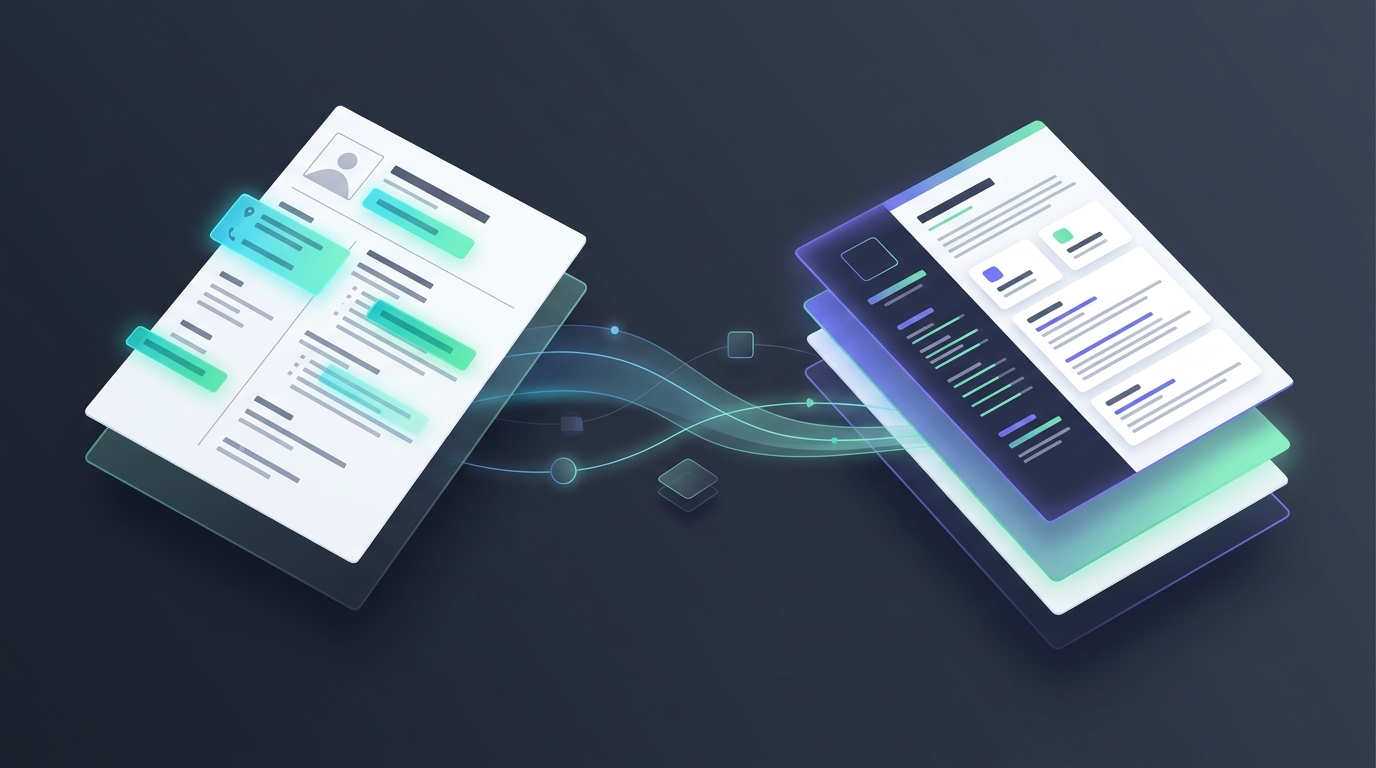
Finally, convert the raw resume into your client's required Word layout using the Resume Formatter and the Resume Templates Gallery. Because Enorexa's deterministic Word engine formats the file with 100% content integrity and zero AI rewriting, the exact project dates and technical phrasing you just verified on the phone remain untouched—backed by your own agency logo via Agency Branding.
Stop letting scripted impostors burn your client relationships and VMS submittal quotas. Open the Free Toolkit to generate project-specific screening drills on your next requisition, or check out Pricing to equip your entire recruiting floor with credit-based vetting and formatting tools.
Enorexa Recruiter
Try the tool this article is about — upload or paste, then copy or download. No candidate database.
Open the free toolkit